What Is Radiotherapy?
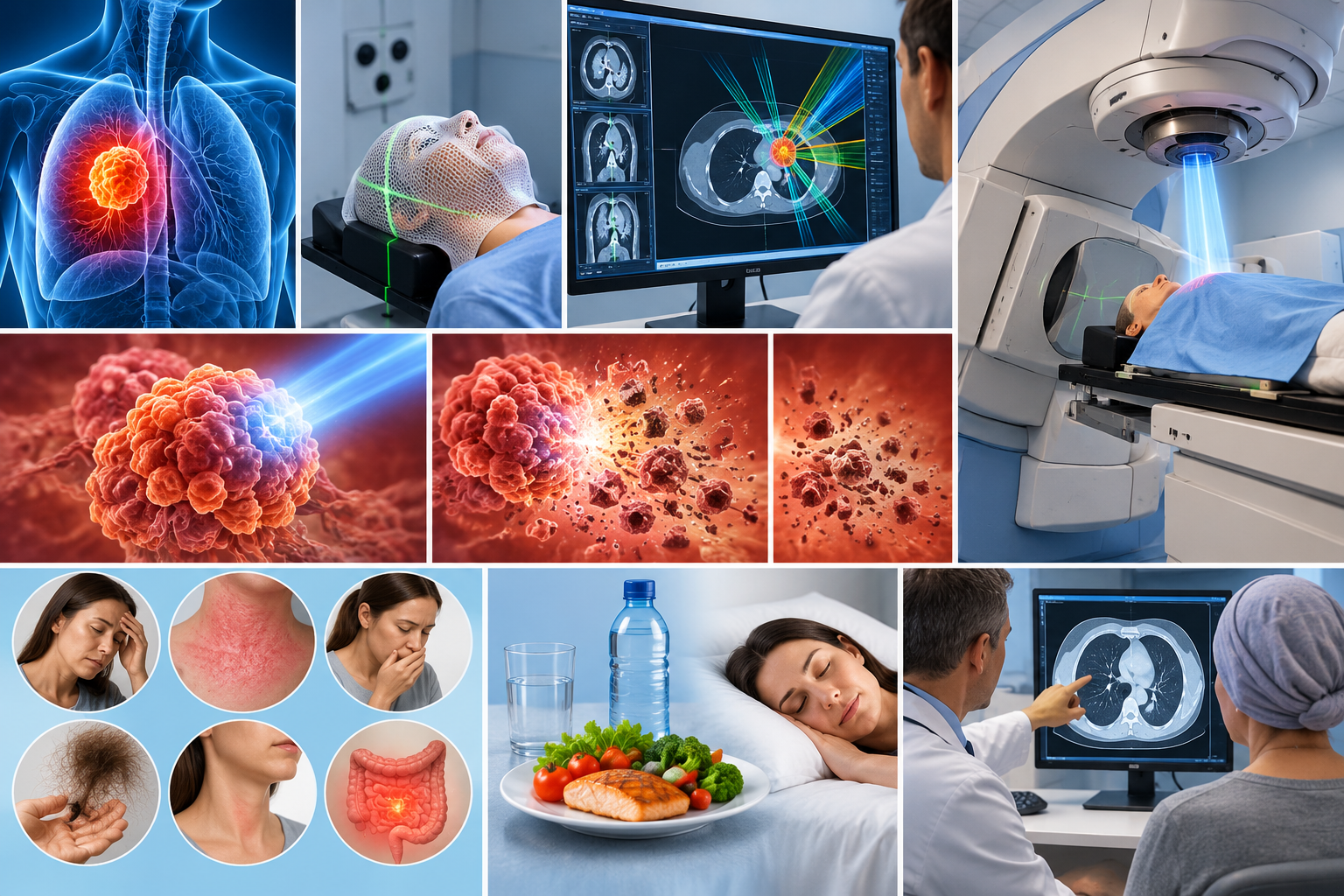
Radiotherapy is a cancer treatment that uses high-energy radiation to damage the DNA of cancer cells, preventing them from multiplying or causing them to die. Radiotherapy may be used alone for certain types of cancer or in combination with other treatments such as surgery and chemotherapy.
The purpose of treatment may vary depending on the type and stage of cancer, the location of the tumor, and the patient's general health. In some patients, the goal may be to shrink the tumor; in others, radiotherapy may be used before or after surgery to support treatment. In certain cases, it may also be used to relieve pain and other symptoms.
How Is Radiotherapy Administered?
Before radiotherapy begins, detailed treatment planning is carried out. The medical team evaluates the location of the tumor and the surrounding healthy tissues to create an individualized treatment plan.
During treatment, devices called linear accelerators (LINACs) are commonly used. The patient lies on a treatment table while the radiation beams are precisely directed toward the targeted area.
Radiotherapy is usually given in sessions. The number of sessions and the overall treatment duration depend on the type of cancer, the purpose of treatment, and the technique being used. While some patients may need only a few sessions, other treatment plans may continue for several weeks.
Is Radiotherapy Painful?
Most patients do not feel the radiation itself during treatment. During a session, the patient generally lies still on the treatment table while the machine delivers the radiation.
However, depending on the treatment area, some side effects may develop as treatment progresses. Therefore, it is important to inform your healthcare team about any new or bothersome symptoms that occur during treatment.
What Are the Side Effects of Radiotherapy?
Side effects can vary depending on the area being treated, the radiation dose, and the person's general health.
Common side effects may include:
Fatigue and weakness
Redness or sensitivity of the skin in the treatment area
Dryness or irritation of the skin
Changes in appetite
Nausea
Difficulty swallowing or digestive problems, depending on the treatment area
Hair loss or reduced hair growth in the treated area
Not every patient experiences the same side effects. Some people may go through treatment with relatively mild side effects, while others may experience more noticeable symptoms.
What Should You Pay Attention to During Treatment?
Following the recommendations of your doctor and radiotherapy team is important during treatment. Staying adequately hydrated, maintaining a balanced diet, and getting enough rest may help support the treatment process.
Especially in areas where radiotherapy is being administered, creams, lotions, or other products should not be applied without your doctor's recommendation. You may also be advised to avoid hot water, harsh scrubbing, and other practices that could irritate the skin.
Any symptoms such as fever, severe pain, significant skin reactions, persistent vomiting, or difficulty eating and drinking should be reported to your healthcare team.
What Happens After Radiotherapy?
After treatment is completed, your doctor may schedule regular follow-up appointments. During these visits, your response to treatment is evaluated, and imaging or other tests may be performed if necessary.
Some side effects may improve shortly after treatment ends, while others may continue for a longer period. Therefore, any symptoms that develop after treatment should also be discussed with your doctor.
Common Misconceptions About Radiotherapy
There are many misconceptions about radiotherapy that can cause unnecessary concern. For example, it is sometimes thought that a patient becomes radioactive and poses a risk to people around them after external radiotherapy. This is generally not the case with external beam radiotherapy; once the treatment machine is switched off, the patient does not normally become radioactive.
However, certain types of internal radiotherapy, such as brachytherapy or systemic radionuclide therapy, may involve different safety precautions. Therefore, patients should follow the specific instructions provided by their healthcare team.
Conclusion
Radiotherapy is an important treatment method used today for many types of cancer. The treatment process is individually planned, and the treatment method, number of sessions, and possible side effects can vary from patient to patient.
Having accurate information about radiotherapy can help patients manage the treatment process more confidently and consciously. Any symptoms that develop during treatment should be discussed with the healthcare team, and patients should avoid treatments or applications that have not been recommended by their doctor.
It is important to remember that every radiotherapy plan is individualized. Treatment decisions should therefore be made in consultation with the patient's oncology and radiotherapy team based on their individual medical evaluation.
Related Articles
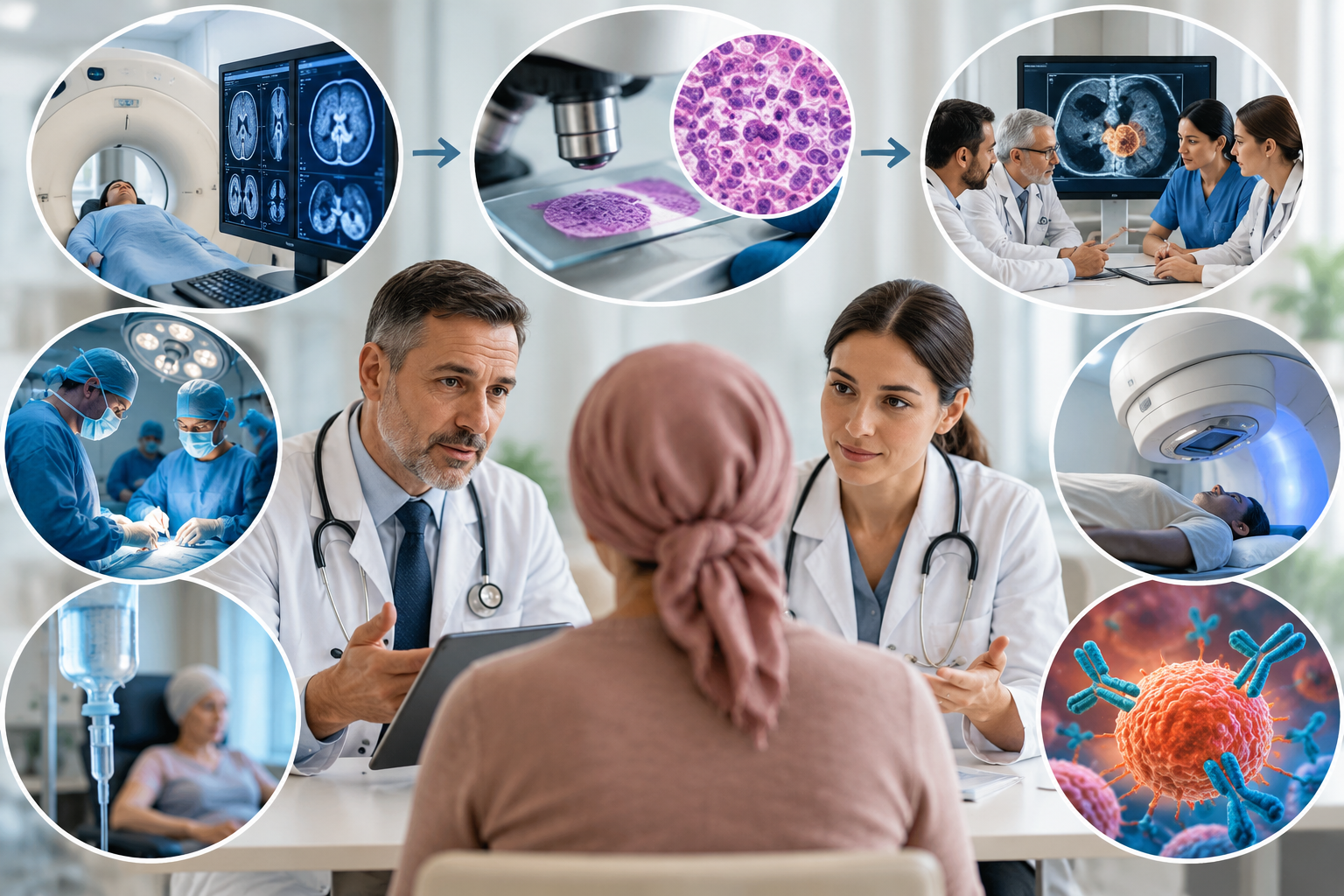
Why Is a Second Opinion Important in Cancer Treatment?
Getting a second medical opinion about a cancer diagnosis and treatment plan can help patients better understand their condition and evaluate their treatment options more comprehensively.

What Is Chemotherapy and How Is It Administered?
Chemotherapy is a cancer treatment that uses medicines to destroy cancer cells or slow their growth. It can be administered in different ways depending on the type and stage of cancer and the patient’s treatment plan.