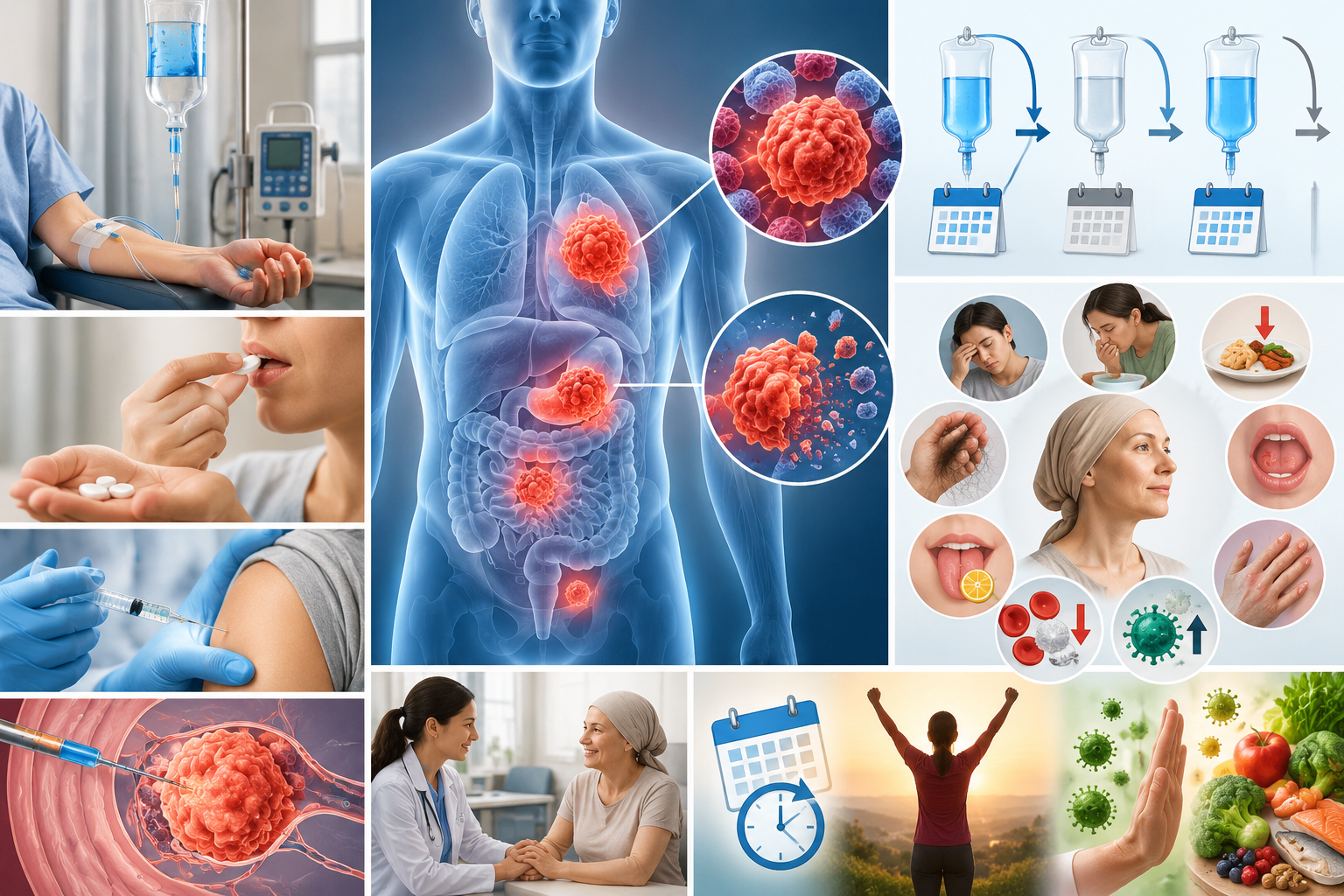
Chemotherapy is a medical treatment that uses powerful medicines to destroy cancer cells, prevent them from multiplying, or slow their growth. It is one of the most commonly used treatments for cancer and may be used alone or together with surgery, radiotherapy, immunotherapy, or targeted therapies.
The type of chemotherapy recommended depends on several factors, including the type of cancer, its stage, the location of the tumor, the patient’s overall health, and whether the cancer has spread to other parts of the body.
How Is Chemotherapy Administered?
Chemotherapy can be administered in several different ways. The most appropriate method is determined by the medical oncology team according to the patient's diagnosis and treatment plan.
Intravenous chemotherapy:
The medication is delivered directly into a vein through an intravenous line. Depending on the treatment, chemotherapy may be given through a small catheter or a port placed under the skin. Some treatments may take a few minutes, while others can take several hours.
Oral chemotherapy:
Some chemotherapy medicines are available as tablets or capsules. Patients can take these medications at home according to a schedule determined by their doctor.
Other methods:
In selected cases, chemotherapy may be administered by injection or directly into specific areas of the body. The method depends on the type and location of the cancer.
How Is a Chemotherapy Treatment Plan Prepared?
Chemotherapy is generally administered in cycles. A cycle consists of a treatment period followed by a rest period. The rest period allows the body to recover before the next treatment.
The number and frequency of cycles vary from patient to patient. Some people receive treatment every few weeks, while others may have a different schedule depending on the medicines being used.
Before each treatment, doctors may perform blood tests and other examinations to determine whether the patient is ready for the next cycle. The treatment plan may be adjusted depending on the patient's response and overall condition.
What Are the Possible Side Effects?
Because chemotherapy medicines can also affect some healthy cells that divide quickly, side effects may occur. However, not every patient experiences the same side effects, and their severity can vary.
Possible side effects include:
- Fatigue and weakness
- Nausea or vomiting
- Loss of appetite
- Hair loss
- Changes in taste
- Mouth sores
- Changes in blood cell counts
- Increased risk of infections
- Skin or nail changes
Modern supportive treatments can help doctors prevent or reduce many chemotherapy-related side effects.
Is Chemotherapy Suitable for Every Cancer Patient?
Chemotherapy is not necessary or appropriate for every cancer patient. The decision depends on the cancer type, stage, biological characteristics, previous treatments, and the patient's general health.
The oncology team evaluates these factors and determines whether chemotherapy should be used, which medicines should be selected, and how the treatment should be administered.
What Should Patients Know Before Starting Chemotherapy?
Patients should receive detailed information from their oncology team about their treatment plan, the medicines they will receive, possible side effects, and what symptoms should be reported immediately.
It is also important to follow medical instructions regarding nutrition, medications, infection prevention, and follow-up appointments during treatment.
Conclusion
Chemotherapy is an important treatment option used for many types of cancer. It can be administered intravenously, orally, or through other specialized methods depending on the patient's condition. Since every cancer and every patient is different, the chemotherapy plan should always be individually determined and monitored by a qualified oncology team.
Related Articles
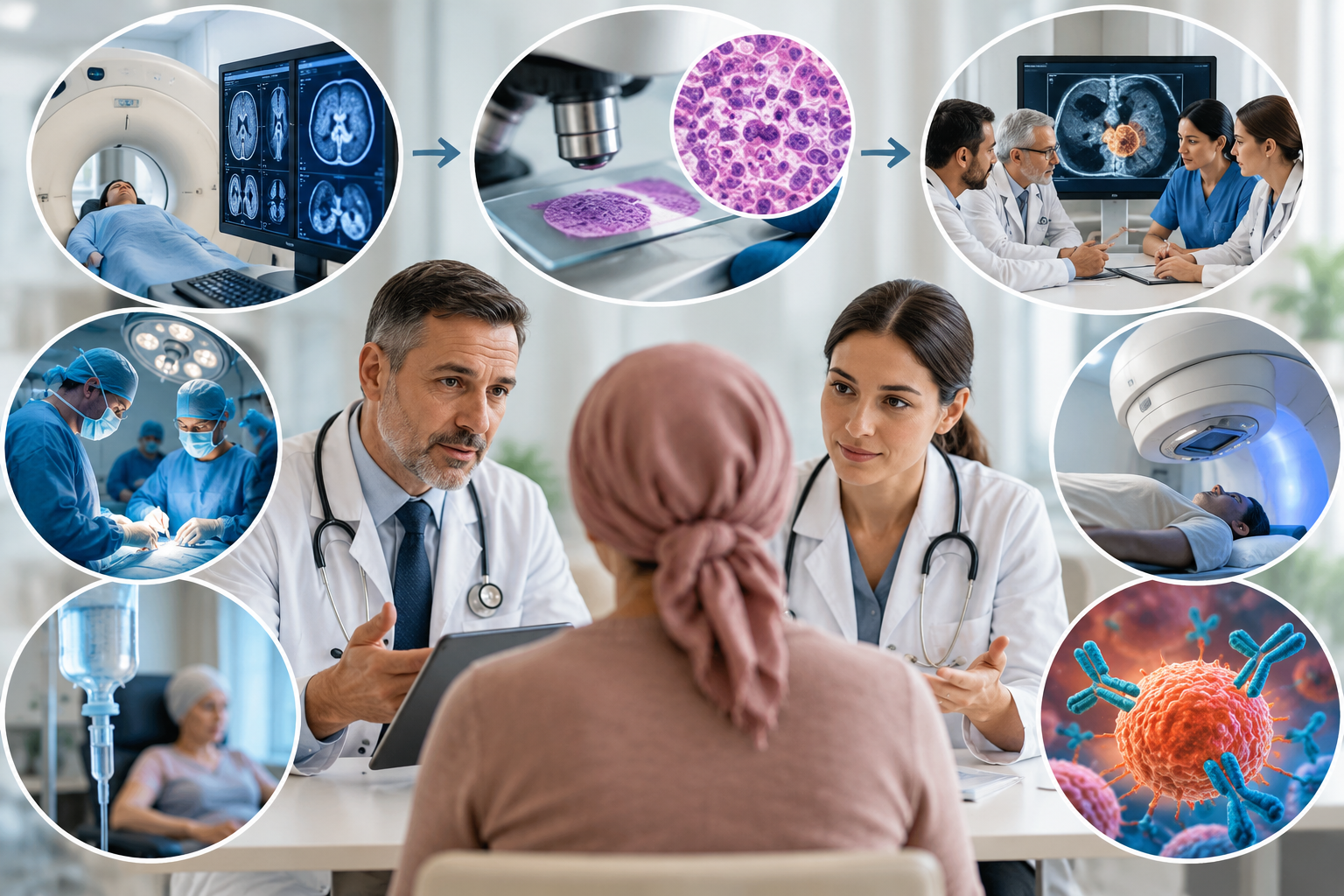
Why Is a Second Opinion Important in Cancer Treatment?
Getting a second medical opinion about a cancer diagnosis and treatment plan can help patients better understand their condition and evaluate their treatment options more comprehensively.
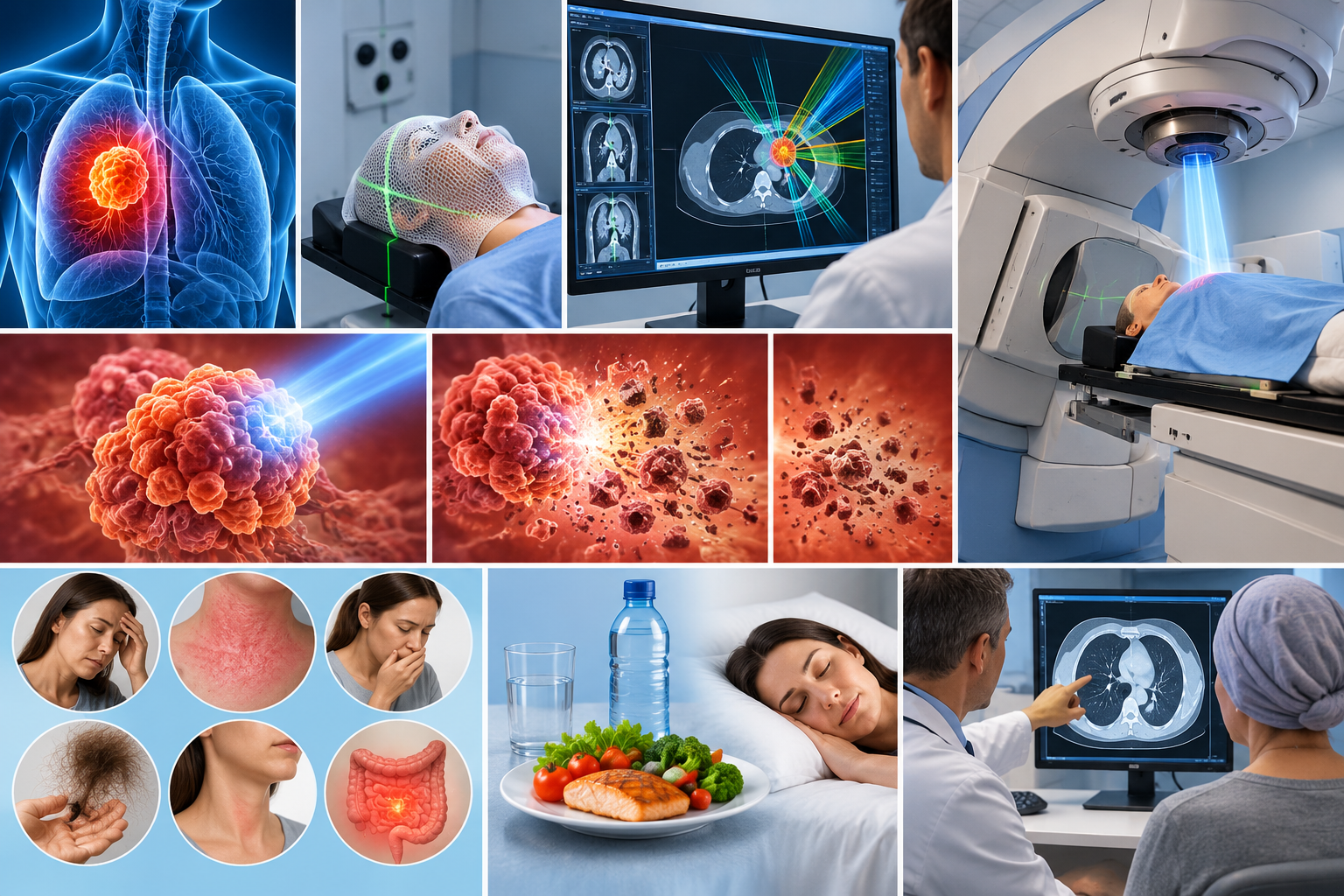
What You Need to Know About Radiotherapy
Radiotherapy is an effective cancer treatment that uses high-energy radiation to destroy cancer cells or stop them from growing. The treatment process, possible side effects, and precautions may vary from person to person.